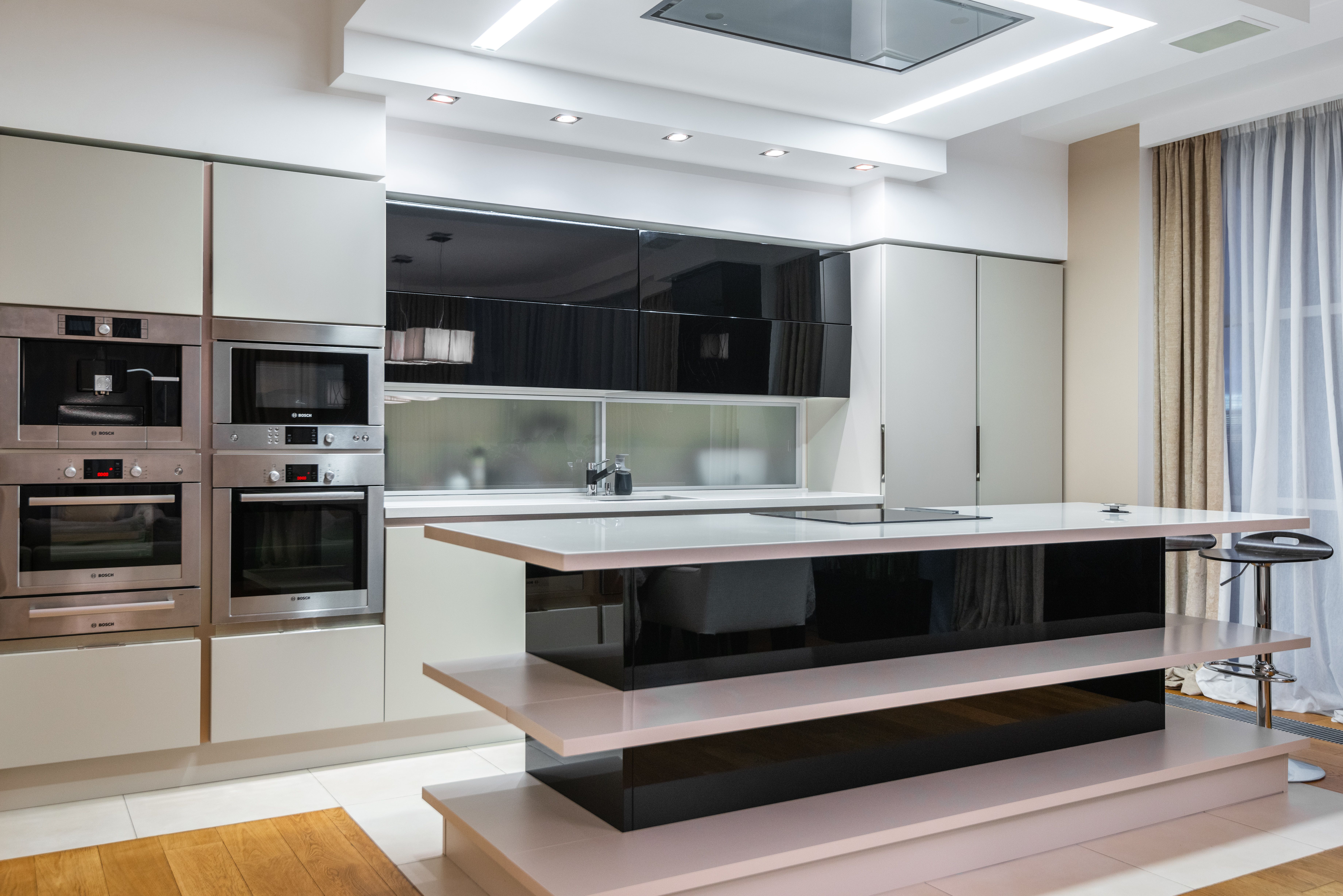
It is the most common objection we hear. "But will it rust?" The question is understandable — mild steel rusts visibly, and many people assume all steel behaves the same way. The answer is more nuanced, and it matters enormously when you are buying furniture worth several lakhs.
Short answer: 304-grade stainless steel does not rust under any normal Indian household conditions. Other grades have caveats. Here is the full breakdown.
Why Some Steel Rusts and Some Does Not
Not all steel is the same material. The term "steel" covers a family of alloys with very different corrosion properties:
- Mild steel (MS) — iron + small amounts of carbon. Rusts readily when exposed to moisture or oxygen. This is what you see rusting on gates, railings and cheap furniture.
- SS 202 grade — stainless steel with 16–18% chromium and 4–6% nickel. Corrosion-resistant under normal conditions. Will not rust in dry indoor environments. Can show minor surface staining near sinks with prolonged standing water if not maintained.
- SS 304 grade — stainless steel with 18% chromium and 8–10.5% nickel. This is the global standard for food-grade and surgical applications. Does not rust under any normal household conditions including kitchens, bathrooms, and high-humidity environments.
"304-grade stainless steel is used in aircraft, hospital operating theatres and deep-sea equipment. It is not going to rust in your kitchen."
Ferro DesignsThe Science: Why 304 Does Not Rust
304-grade steel forms a passive chromium oxide layer on its surface that acts as a self-repairing barrier against oxidation. When the surface is scratched, this layer reforms automatically in the presence of oxygen. This is fundamentally different from painted or coated steel where once the coating is damaged, rust begins.
This passive layer is why 304 steel is used in:
- Hospital surgical instruments
- Aircraft structural components
- Commercial kitchen equipment (FSSAI standard)
- Food processing facilities globally
Conditions That Can Affect Lower-Grade Steel
If you are buying SS 202 (a common residential-grade choice), here are the conditions that can cause surface discolouration or very minor corrosion over time:
- Prolonged contact with standing water (e.g. water pooling at the base of a sink cabinet)
- Direct contact with salt in coastal high-humidity environments (relevant for Mumbai, Goa, coastal cities)
- Certain harsh cleaning chemicals with bleach content — avoid using these on any grade of steel
Note: these conditions cause surface staining or minor marks — not structural rusting. The furniture does not hollow out or become structurally compromised the way wood does with termites or moisture.
What Ferro Designs Uses — and Why
At Ferro Designs, we specify SS 304 as standard across all our residential kitchens, wardrobes and vanity units. Not SS 202, not MS with powder coating. The reason is simple: we back our products with a lifetime warranty and a buy-back guarantee. We can only do that if we are confident the material will perform over decades. 304-grade steel gives us that confidence. No other grade does.
Ask your supplier for a material test certificate (MTC) before purchase. Legitimate SS manufacturers can provide chemical composition certificates showing chromium and nickel percentages. If a supplier cannot produce one, the grade claim is unverified.
How to Care for Stainless Steel Furniture
- Wipe with a damp microfibre cloth — this is genuinely all that is needed for day-to-day cleaning
- For stubborn marks, a small amount of dish soap on a soft cloth
- Always wipe in the direction of the grain on brushed finishes
- Avoid steel wool or abrasive pads — they scratch the passive layer on lower grades
- Never use bleach-based cleaners — they can affect SS 202 finish over time (304 is more resistant)
We bring finish samples to your site visit. See, touch and compare grades before you decide anything.
Book Free Site Visit